How to Prepare for Specialist EU Competitions and the Field-Related Test
Specialist EU competitions differ from generalist competitions such as AD5 in one key aspect: they assess both general aptitude and highly specific professional expertise.
While reasoning tests and written test remain part of the selection process, specialist competitions also include the FRMCQ (Field-Related Multiple Choice Questionnaire), which evaluates domain-specific knowledge.
Understanding the Structure of Specialist Competitions
In most specialist EU competitions, candidates are assessed on:
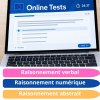
- Verbal reasoning test
- Numerical reasoning test
- Abstract reasoning test
- Written test
- FRMCQ (Field-Related Multiple Choice Questionnaire)
The exact structure and weighting of these tests are defined in the Notice of Competition, which is the most important document candidates must consult before starting any preparation.
It specifies not only the selection components but also the scope of the FRMCQ, the competencies assessed, and the expected professional profile.
The main difference compared to AD5 competitions is that the FRMCQ typically replaces the EU knowledge and digital skills tests found in generalist competitions.
This means preparation must be adapted accordingly.
How to Use the 12-Week AD5 Study Plan
Candidates preparing for specialist competitions can still benefit significantly from the 12-week AD5 study plan.
This is because it covers the shared core components:
- Reasoning tests (verbal, numerical, abstract)
- Written test preparation
These elements are identical or highly similar across both AD5 and specialist competitions.
However, instead of EU knowledge and digital skills preparation, candidates should replace this portion of their study time with focused FRMCQ preparation.
Preparing for the FRMCQ Test
The FRMCQ is the defining element of specialist competitions.
It is designed to assess the candidate’s ability to apply professional knowledge within an EU institutional framework.
To prepare effectively, candidates should:
1. Study the Notice of Competition in detail
Focus on:
- Required competencies
- Field-specific knowledge areas
- Expected professional experience
2. Use Official EU and Field-Specific Sources
Recommended materials include:
- EU institution websites
- Legislative and policy documents
- Sector-specific regulatory frameworks
- Official publications relevant to the domain
3. Update existing professional knowledge
Most specialist competitions require several years of experience, meaning candidates are not expected to learn from scratch.
Instead, preparation should focus on:
- Updating knowledge
- Aligning it with EU terminology and frameworks
- Identifying recent developments in the field
Key Preparation Strategy
A successful approach to specialist competitions is to combine:
- The structured reasoning and written test preparation from the AD5 12-week study plan
- Targeted FRMCQ preparation based on professional expertise
This hybrid approach ensures full coverage of both general aptitude and specialist knowledge requirements.
Final Advice
Success in specialist EU competitions depends on strategic alignment between experience and preparation.
Candidates should:
- Use the AD5 study plan for reasoning and written tests
- Dedicate focused time to FRMCQ preparation
- Rely on official EU documentation and professional knowledge
- Focus on updating, not relearning, their field expertise
With a structured and targeted approach, candidates can effectively cover all components of the selection process and maximise their performance.
Share this content